
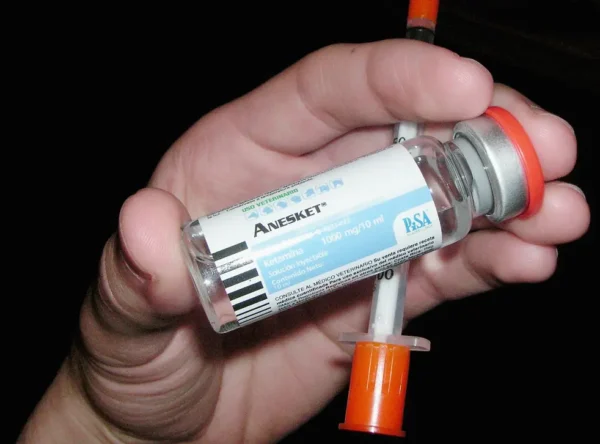
Description
How It Works
Ketamine acts mainly through NMDA receptor antagonism, leading to:
-
Analgesia (pain relief)
-
Sedation and dissociation
-
Reduced awareness of external stimuli
It also influences glutamate and opioid pathways, contributing to its anesthetic and antidepressant effects.
Onset & Duration (IV/IM clinical ranges)
| Effect | Typical Timing |
|---|---|
| Onset | ~30 seconds IV / ~3–5 mins IM |
| Peak | Within minutes |
| Duration | 10–30 minutes for anesthesia phase (longer perceptual effects possible) |
Who Administers It
Ketamine should only be used by:
-
Anesthesiologists
-
Critical-care providers
-
Emergency physicians
-
Certified medical providers trained in anesthesia and airway management
Safety Notes
Medical monitoring is required due to possible effects on:
-
Blood pressure and heart rate
-
Breathing pattern and airway reflexes
-
Perception and cognition
Precautions
Caution in patients with:
-
Cardiovascular disease
-
Increased intracranial pressure
-
History of psychosis
-
Substance-dependence risk factors
Avoid combining with:
-
Alcohol
-
Sedative-hypnotics
-
Benzodiazepines (unless medically directed)
-
Opioids (unless part of controlled anesthesia plan)
Side Effects (clinical)
Possible effects include:
-
Elevated blood pressure or heart rate
-
Nausea or vomiting
-
Dissociation / vivid dreams
-
Dizziness or confusion post-procedure
-
Rare emergence reactions (hallucinations, agitation)
Medical teams often provide supportive care or adjunct medications as needed.


Reviews
There are no reviews yet.